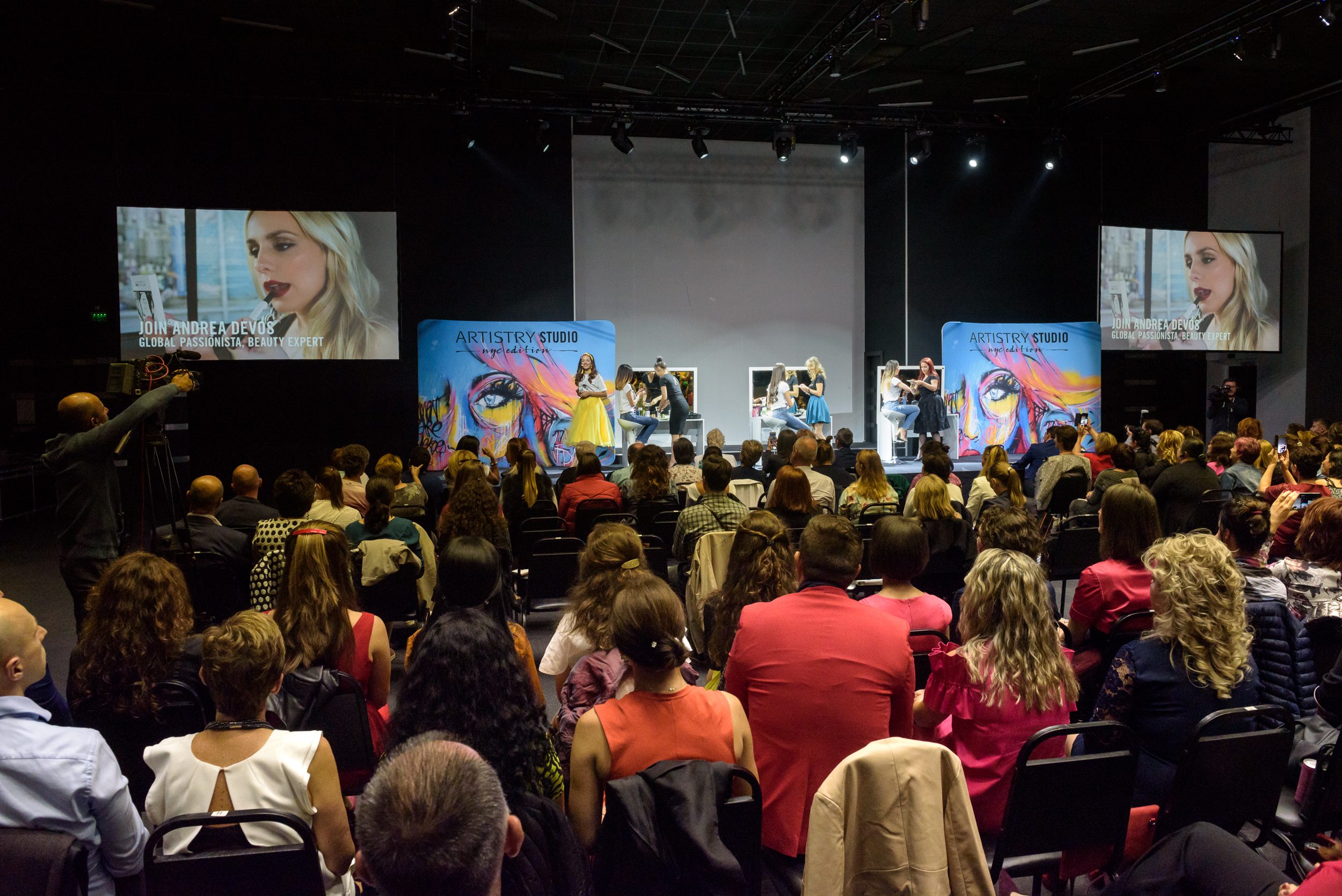
Organizing a corporate event only seems easy at first glance. You choose a date, book a venue, prepare a program, send out invitations, and everything should go according to plan. In practice, however, every business event has many moving parts—guests, vendors, equipment, the program, the budget, deadlines, and management’s expectations.
For small internal meetings, some of the tasks can be handled by the company’s own team. But when it comes to a conference, company party, seminar, product launch, gala dinner, or an event with clients and partners, the risk of oversights increases significantly.
A good event planning agency does more than just provide ideas. It manages the entire process—from the initial brief to on-site coordination. This is precisely what reduces the risk of mistakes that could impact the budget, the program, the company’s image, and the guests’ experience.
1. An Unclear Brief at the Start
One of the most common mistakes is to start work without a clear brief. If the goal, audience, budget, format, number of guests, and expected outcome aren’t specified from the start, the entire project gets off to a shaky start.
The brief is not a mere formality. It is the foundation upon which all subsequent decisions are made—the choice of venue, program, catering, equipment, visual identity, and communication with participants.
Before you begin organizing a corporate event, you must be clear about why you’re holding it. Is the goal internal motivation, training, a new product launch, a meeting with partners, celebrating a milestone, or building stronger relationships with clients? Different goals require different approaches.
2. Last-minute planning
Last-minute planning almost always leads to compromises. The most suitable venues are already booked, the best vendors are already committed, and the preparation deadlines become too tight.
This is especially important during peak periods such as spring, early fall, December, and the summer season for outdoor events. During these times, demand for venues, hotels, equipment, catering, emcees, performers, and transportation is significantly higher.
Early planning allows for better choices, more accurate budgeting, comparison of quotes, and smooth coordination. When everything is done at the last minute, even a good idea can suffer from poor execution.
3. Underestimating the Budget
Many companies start with a budget that mainly covers the venue and catering. However, this is rarely enough. Corporate events involve additional costs that often arise later on.
These include equipment, transportation, setup, takedown, branding, decorations, a photographer, video recording, staff, security, registration, additional hours at the venue, and a contingency fund for unforeseen situations.
The problem isn’t just that the total cost increases. The more serious risk is that the budget starts to shift as the event progresses. This often leads to compromises on elements that are crucial to the overall experience.
That’s why the budget must be structured from the very beginning. A clear breakdown by category helps the company identify which expenses are mandatory, which are recommended, and where optimizations can be made without compromising quality.
4. Unsuitable Venue
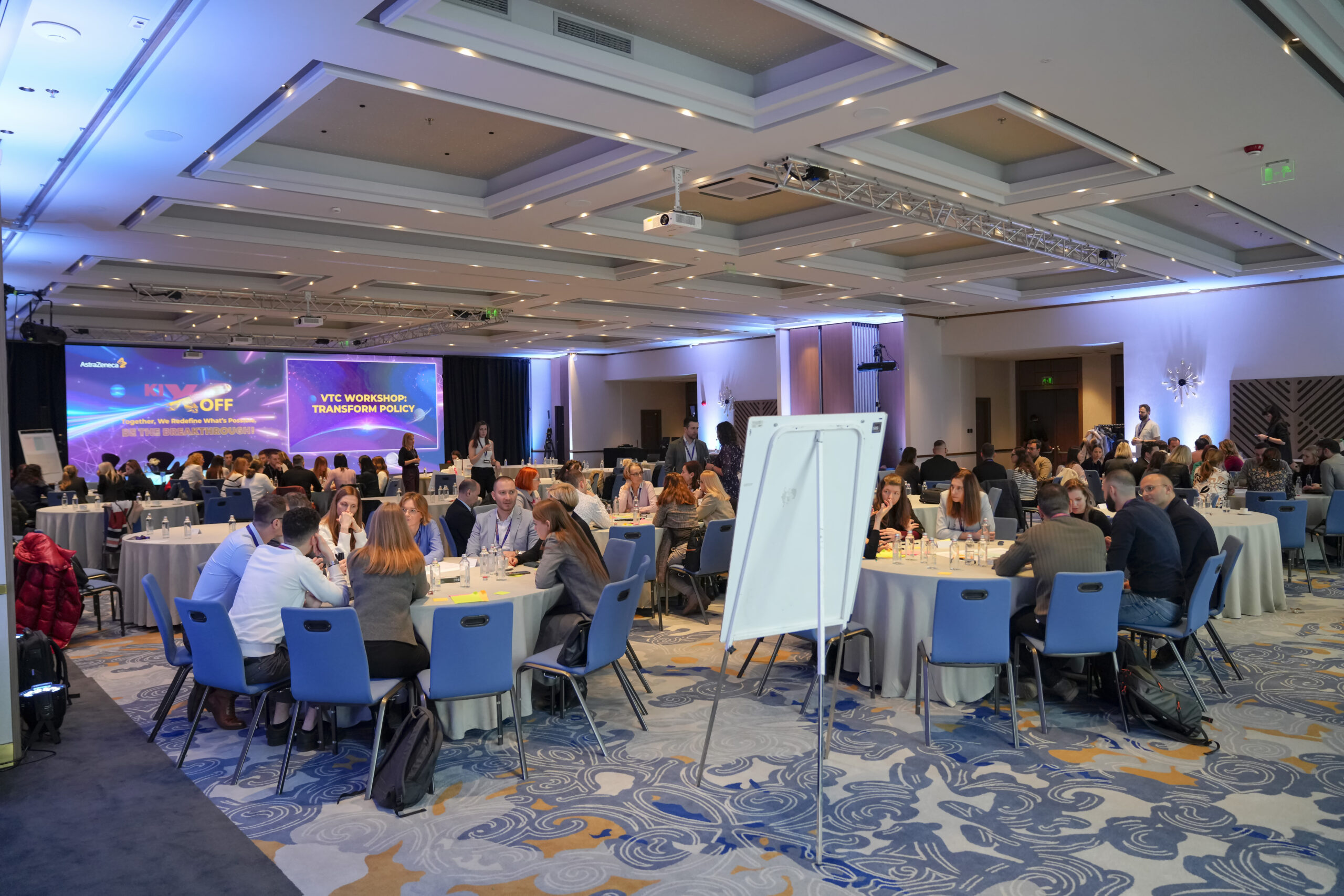
A venue may look good in photos but not work for the specific event format. This is a common problem with corporate events when the choice is based solely on appearance, price, or popularity.
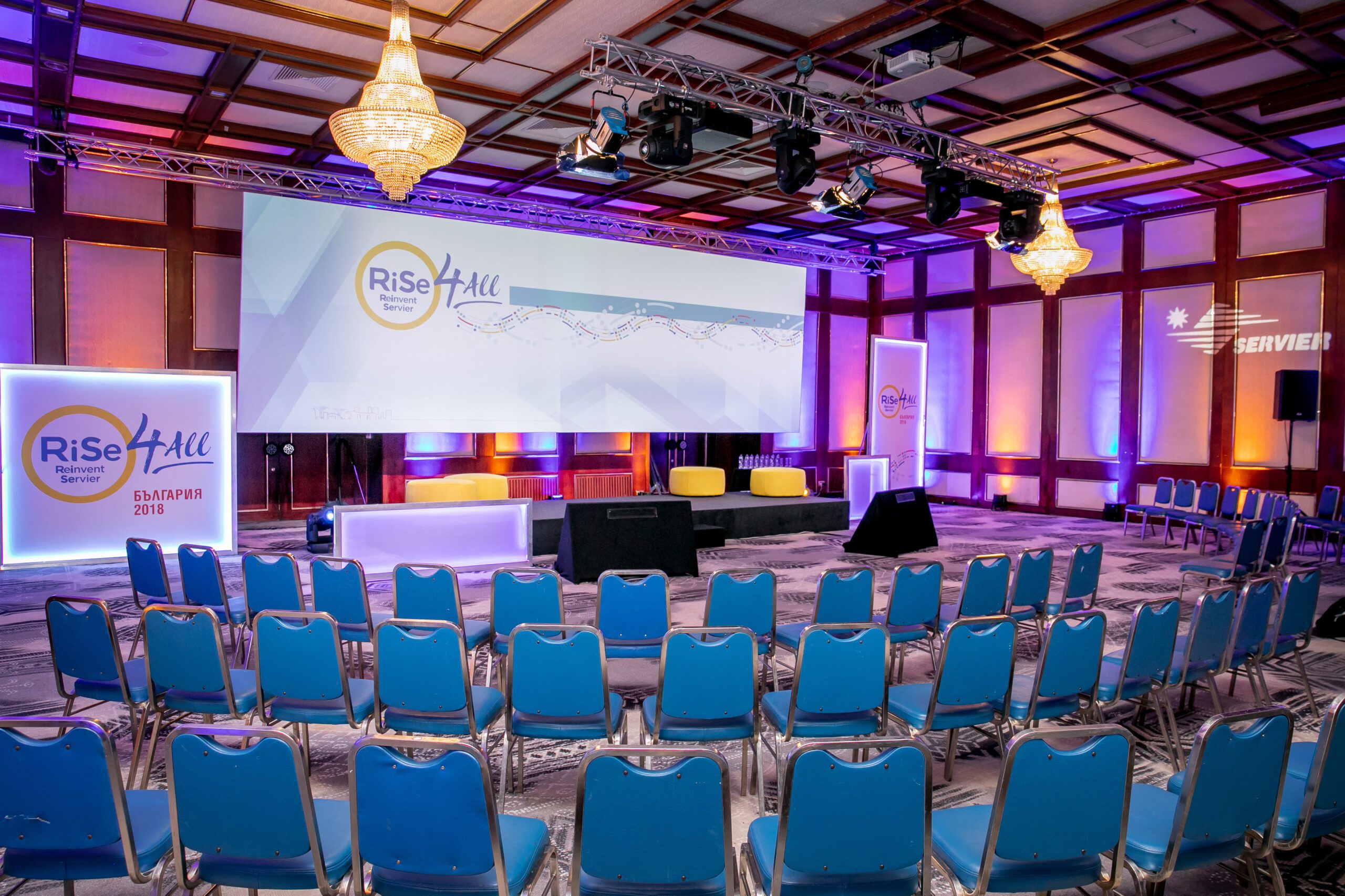
The right venue must align with the event’s purpose, the number of guests, the program, technical requirements, and logistics. It’s important to verify that there is sufficient space for registration, a stage, equipment, catering areas, branding, breaks, and open space.
You also need to consider access, parking, a loading dock, noise restrictions, operating hours, installation options, and backup plans in case of changes. The location isn’t just a backdrop. It affects the entire organization.
5. An Overly Long Program
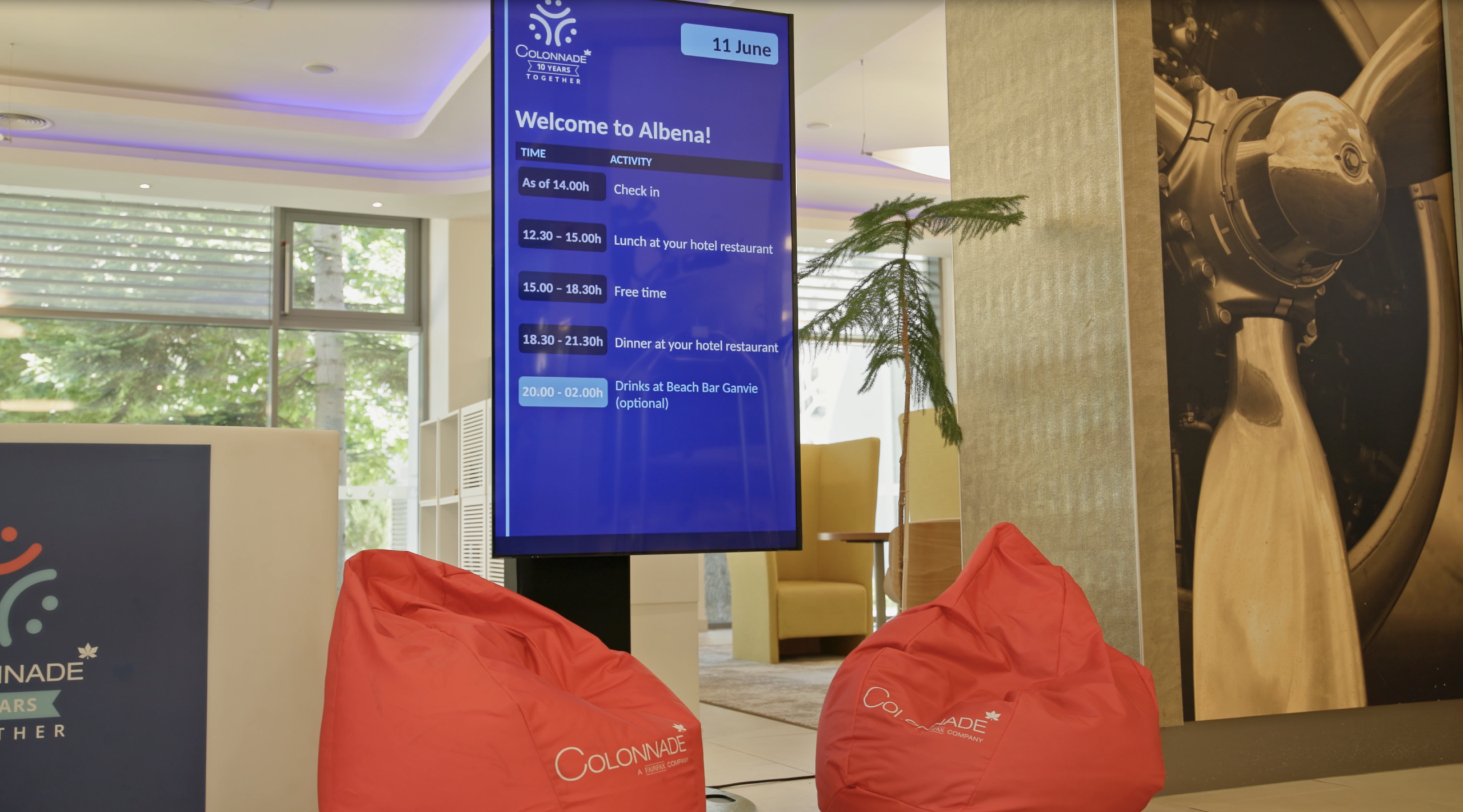
Corporate events often suffer from an overloaded program. The desire to include everything—presentations, speeches, awards ceremonies, activities, networking, and entertainment—can lead to fatigue and a loss of attention.
A well-structured program has a clear rhythm. It should not overwhelm guests but rather guide them logically through the key moments of the event. It is important to include enough breaks, time for movement, and a realistic schedule.
Time is a particularly sensitive factor when dealing with a business audience. If the program runs late, individual segments overlap, or there is no clear structure, the overall sense of organization suffers.
6. Lack of a technical rehearsal
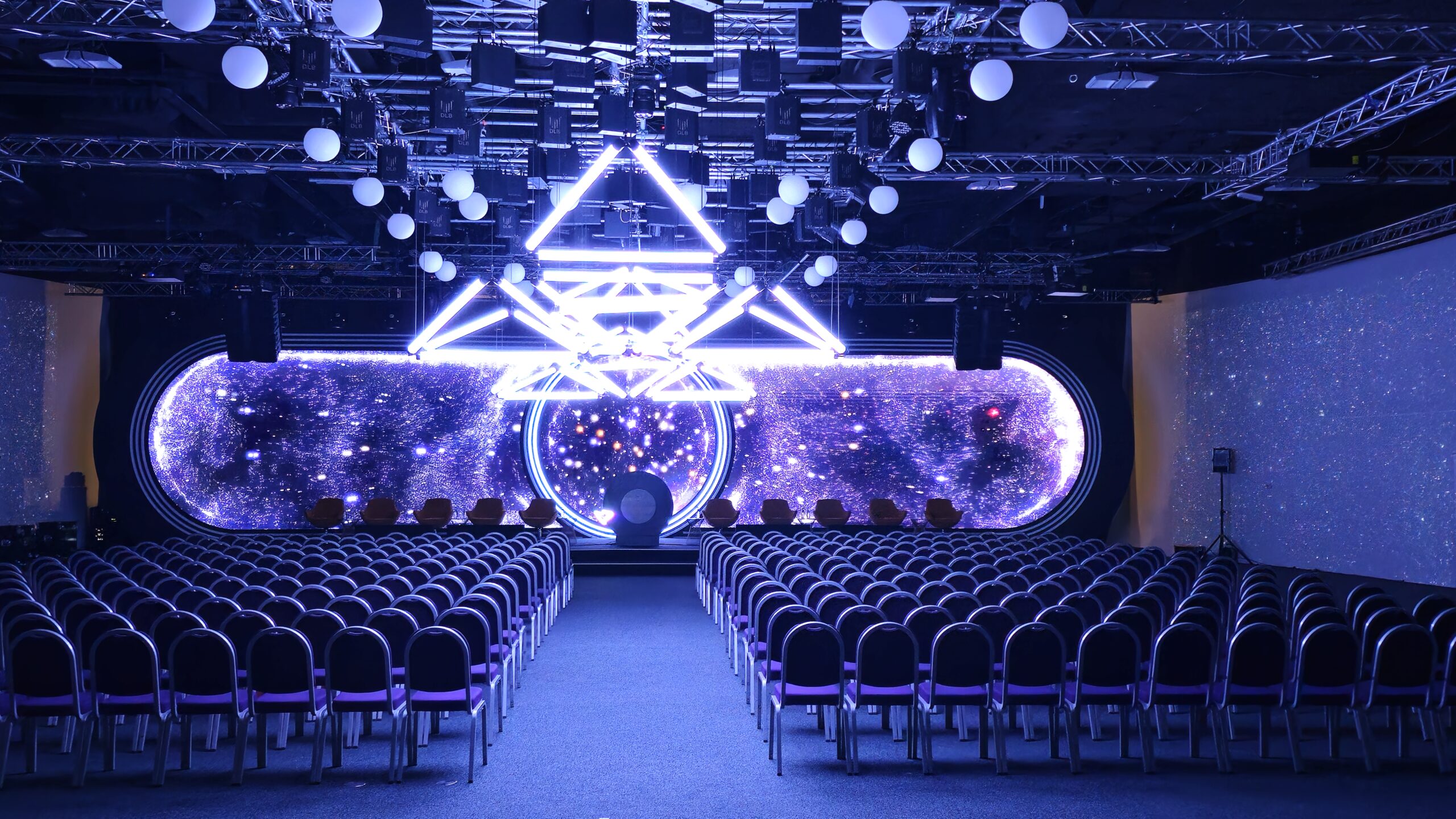
Technical issues are among the most noticeable mistakes. A problem with sound, microphones, presentations, video, lighting, or the internet can disrupt the entire event.
This risk can be reduced with a technical rehearsal beforehand. Presentations, microphones, screens, lighting, video content, laptops, adapters, and the internet connection must all be tested.
For more complex events, it’s a good idea to have a technical script. It describes when a presentation starts, when to switch microphones, when a video plays, when music begins, and who is responsible for each task.
7. Poor Communication with Participants
Even a well-planned event can create tension if guests do not receive clear information. The invitation, confirmation, program, address, start time, parking, dress code, and important instructions must be communicated in a timely manner.
When attendees don’t know what to expect, they start asking additional questions. This puts a strain on the team and creates a sense of uncertainty. For international guests, you must also consider translators, transportation, accommodations, time zones, and local customs.
Good communication doesn’t end with the invitation. It includes reminders, updates in case of changes, on-site instructions, and follow-up communication after the event.
8. Lack of On-Site Coordination
On the day of the event, it’s no longer time for planning. That’s when management is needed. Someone must keep track of the schedule, vendors, equipment, guests, the host, catering, the program, and all the details that remain invisible to the participants.
If there isn’t a clearly designated person or team to coordinate on-site, problems start to be handled in a haphazard manner. One person looks for a vendor, another checks the equipment, a third greets guests, and a fourth tries to figure out why the program is running late.
This is one of the main reasons companies work with a professional event planning agency. On-site coordination ensures control, peace of mind, and a quick response to unexpected situations.
Why Professional Organization Matters
Most mistakes at corporate events don’t stem from a lack of effort. They stem from underestimating the process. An event requires both strategic thinking and attention to detail.
You need to consider the business objective, but also the delivery time for the equipment. The company’s image, but also whether guests will be able to find the entrance. The program, but also the breaks. The budget, but also the backup plan.
Professional support helps organize these elements into a clear process. This way, the company retains control over decisions while relying on a team that manages deadlines, vendors, logistics, and execution.
Organizing a corporate event requires a clear concept, a realistic budget, solid logistics, and control over execution. The most common mistakes can be avoided when the process begins on time and is managed professionally.
Insight Events helps companies plan events for employees, clients, partners, or international guests. The team can handle the entire organization of the event—from the brief and concept to the venue, vendors, program, and on-site coordination.
Frequently Asked Questions
How far in advance should you start planning a corporate event?
For larger events, it’s best to start planning at least a few months in advance. This allows for more options when selecting a venue, vendors, program, and optimizing the budget.
When does it make sense to work with an event planning agency?
Professional support is particularly useful for events with a large number of guests, a complex program, technical equipment, external vendors, international participants, or high visibility for the company.
What are the most commonly underestimated costs?
Equipment, transportation, branding, setup, additional staff, photography, video recording, and a contingency fund are often underestimated.
How do you choose the right venue?
The venue should be chosen based on the event format, number of guests, program, technical requirements, access, parking, and logistical capabilities. Aesthetics alone are not enough.
Why is on-site coordination so important?
On the day of the event, there should be a team in charge of monitoring the schedule, vendors, equipment, guests, and the program. This minimizes chaos and allows for a quick response to any changes.

