
When planning a winter incentive trip, the first idea often seems obvious: mountains, snow and skiing.
That can be an excellent choice – but not for every team.
One participant may be looking forward to a full day on the slopes. Another would prefer a spa afternoon and a relaxed dinner. Someone else may choose a city programme built around food, culture and time to connect with colleagues.
That is why a strong winter incentive programme should not begin with the destination. It should begin with the people and the business objective behind the trip.
Bulgaria makes it possible to combine several very different experiences within a relatively compact programme – mountains, wellness, gastronomy, culture and city activities can all become part of the same corporate journey.
Define the objective before choosing the destination
There is a significant difference between a trip designed to reward top sales performers, a retreat for a management team and an incentive programme for international business partners.
Before choosing the hotel and activities, define:
- who you want to reward or motivate;
- the profile and age range of the group;
- how well participants already know one another;
- how active the programme should be;
- how much free time people need;
- what outcome you want the trip to create.
The question “Where should we go?” then becomes the much more useful question: “What do we want people to experience?”
Option 1: A ski incentive for an active team
Bansko, Borovets and Pamporovo naturally come to mind when the winter programme should be dynamic and activity-led.
But a corporate group needs more than simply being sent to the slopes.
A well-designed programme could include:
- skiing or snowboarding according to ability;
- instructors for beginners;
- an alternative winter activity for non-skiers;
- a mountain lunch or après-ski experience;
- spa and free time after the active part of the day;
- a group dinner or special evening event.
An alternative for people who do not ski is particularly important.
If the main experience is accessible to only half of the group, an incentive programme can easily divide participants instead of bringing them together.
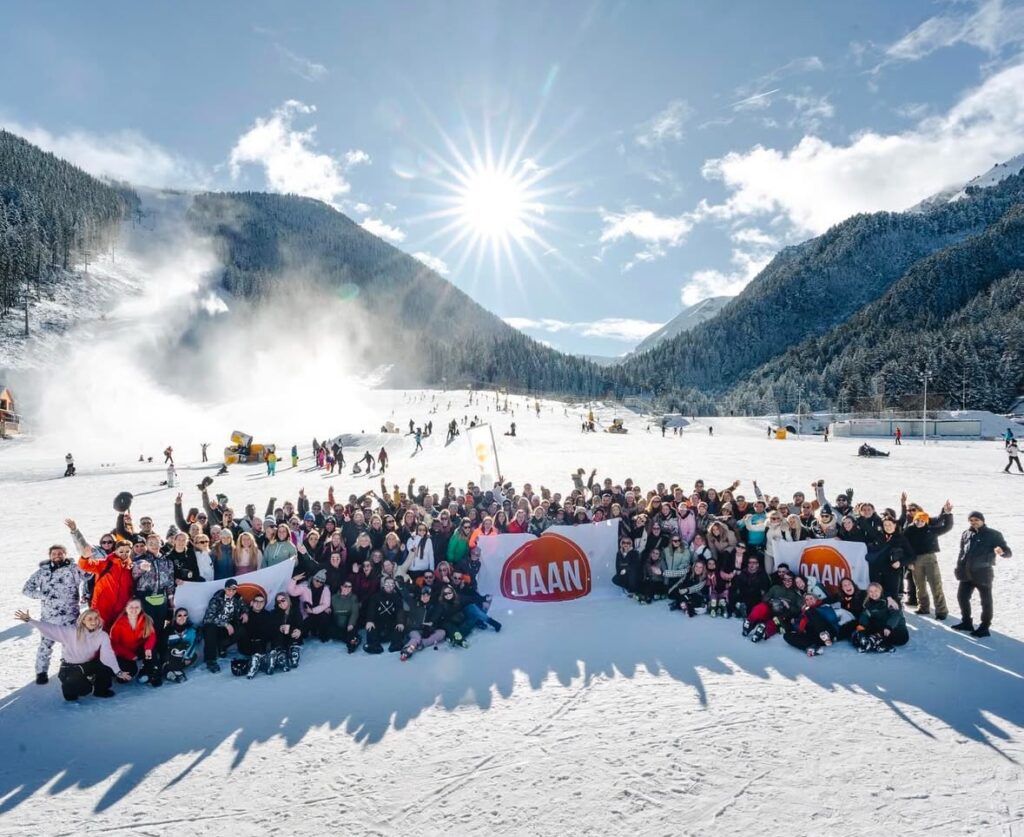
Option 2: A wellness programme designed to recharge
Not every incentive trip needs an adrenaline element.
After an intensive business year, a wellness format may be more valuable – particularly for management teams, smaller groups or companies that want to combine recognition with genuine time to recharge.
Destinations such as Velingrad allow a programme to be built around mineral pools, spa facilities, quality accommodation and a slower pace.
However, a wellness incentive should mean more than simply handing everyone a room key and providing access to the spa.
The programme might combine:
- wellness and spa time;
- a shared breakfast or brunch;
- a light outdoor activity;
- a tasting or gastronomic experience;
- a short strategic or inspirational session;
- an informal dinner;
- sufficient personal time.
The value of this format often comes precisely from not over-programming it.
Option 3: A city incentive in Sofia
A winter incentive does not have to take place in the mountains.
Sofia can work particularly well for international groups, shorter corporate programmes and companies looking to combine business, culture, gastronomy and evening experiences.
A two- or three-day programme could include:
- a themed city tour;
- a cultural or historical experience;
- Bulgarian wine and food tasting;
- a creative workshop;
- dinner at a distinctive venue;
- a networking or cocktail event;
- a short meeting or business session;
- free time for individual exploration.
The advantage of a city incentive is variety. Participants can share a common experience without everyone being expected to enjoy the same physical activity.
Why choose only one format?
In many cases, you do not have to.
The strongest winter incentive programme may be a combination of activity, wellness and city experiences.
For example:
Day 1: Arrival in Sofia, city activity and welcome dinner.
Day 2: Transfer to a mountain or spa destination, winter activity and evening programme.
Day 3: Choice between skiing and wellness, group lunch and free time.
Day 4: Relaxed morning and departure.
This gives different personalities within the group some choice while preserving a shared overall experience.
Do not overfill the schedule
One of the easiest mistakes to make is trying to justify every minute of the budget.
Breakfast at 8:00. Activity at 9:00. Lunch. Another activity. Transfer. Workshop. Dinner. Entertainment.
After two days, an incentive trip can start to feel more like a business assignment in an attractive setting.
Free time is not an empty space in the programme. It gives people a chance to talk, recharge and experience the destination in their own way.
Logistics are part of the incentive experience
A strong concept can quickly be undermined by poor execution.
Winter programmes require advance planning around:
- transportation and transfers;
- winter road conditions;
- ski equipment;
- different levels of physical ability;
- luggage;
- hotel check-in and accommodation;
- restaurant and group reservations;
- alternative activities in case of poor weather;
- participant communication.
Participants should not need to see how complicated the logistics are.
When the planning works, the experience feels simple and effortless.
What does the ideal winter incentive programme look like?
There is no universal answer.
For one team, it may be two days of skiing followed by dinner in the mountains. For another, it could be a wellness retreat with good food and more personal time. For an international group, it might combine Sofia, Bulgarian culture, local gastronomy and a short winter adventure.
The programme should follow the people and the objective.
Incentive travel is not a reward simply because the company paid for the trip. It becomes a reward when participants genuinely want to be there.
If you are planning a winter programme for employees, clients or business partners, Insight Events can develop a complete incentive travel in Bulgaria – from the initial concept and destination selection to accommodation, transport, activities, restaurants and on-site coordination.

