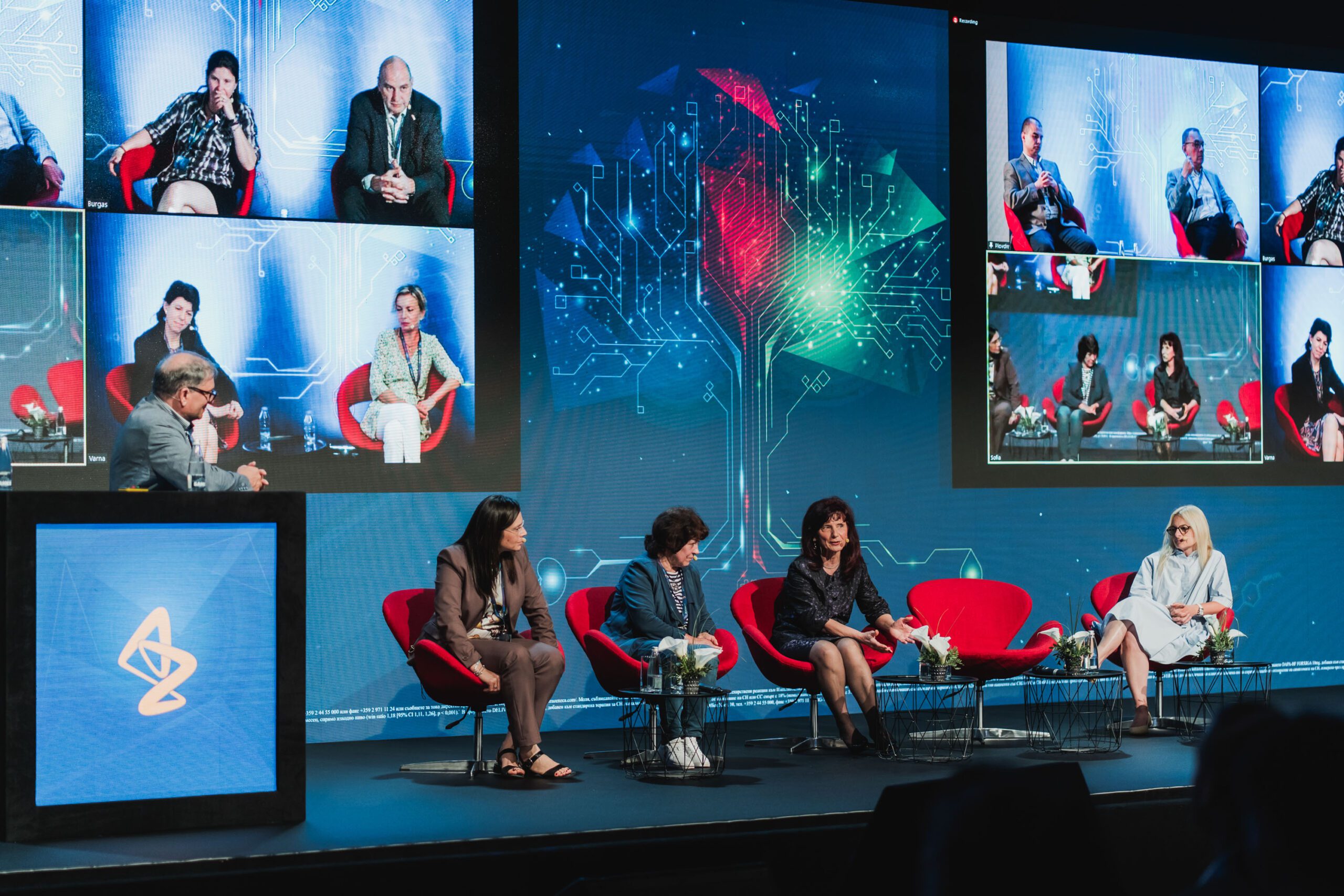
There are two easy ways for a business conference to lose its audience. The first is to turn the programme into a series of long presentations. The second is to compensate with too many effects, games and “surprises” that have little to do with the main topic.
An engaging conference does not necessarily need to be spectacular. It needs good pacing, strong content, the right speakers and enough opportunities for questions, discussion and professional networking.
When it comes to professional conference organisation, the key question is not “How do we impress our guests?” but rather: “What useful value should participants take away from the time they invest in attending?”
Conference organisation: start with the audience
Before choosing speakers and topics, define who will be in the room and what they expect from the event.
Consider:
- Who are the main participant groups?
- What problems are they trying to solve?
- What do they already know about the subject?
- What information is difficult for them to find elsewhere?
- Who would they like to meet?
- What should they be able to apply after the conference?
A strong programme follows a clear logic. Sessions complement and build on one another instead of feeling like a random collection of presentations.
1. Don’t turn every topic into a 45-minute presentation
Some topics deserve an in-depth session. Others need only 15-20 minutes to present a specific case study or practical solution.
Vary the formats:
- focused presentations;
- short practical sessions;
- panel discussions;
- interviews;
- workshops;
- audience discussions.
This creates a natural rhythm without turning the programme into an entertainment show.
2. Look for real case studies instead of generic topics
Business audiences generally respond better to practical experience than to broad presentations about “the future of the industry”.
More useful topics might sound like:
“How we changed process X and what the results looked like six months later.”
or:
“Three decisions that did not work and what we learned from them.”
A strong presentation shows the problem, the decision, the challenges, the outcome and the lessons that other companies can apply.
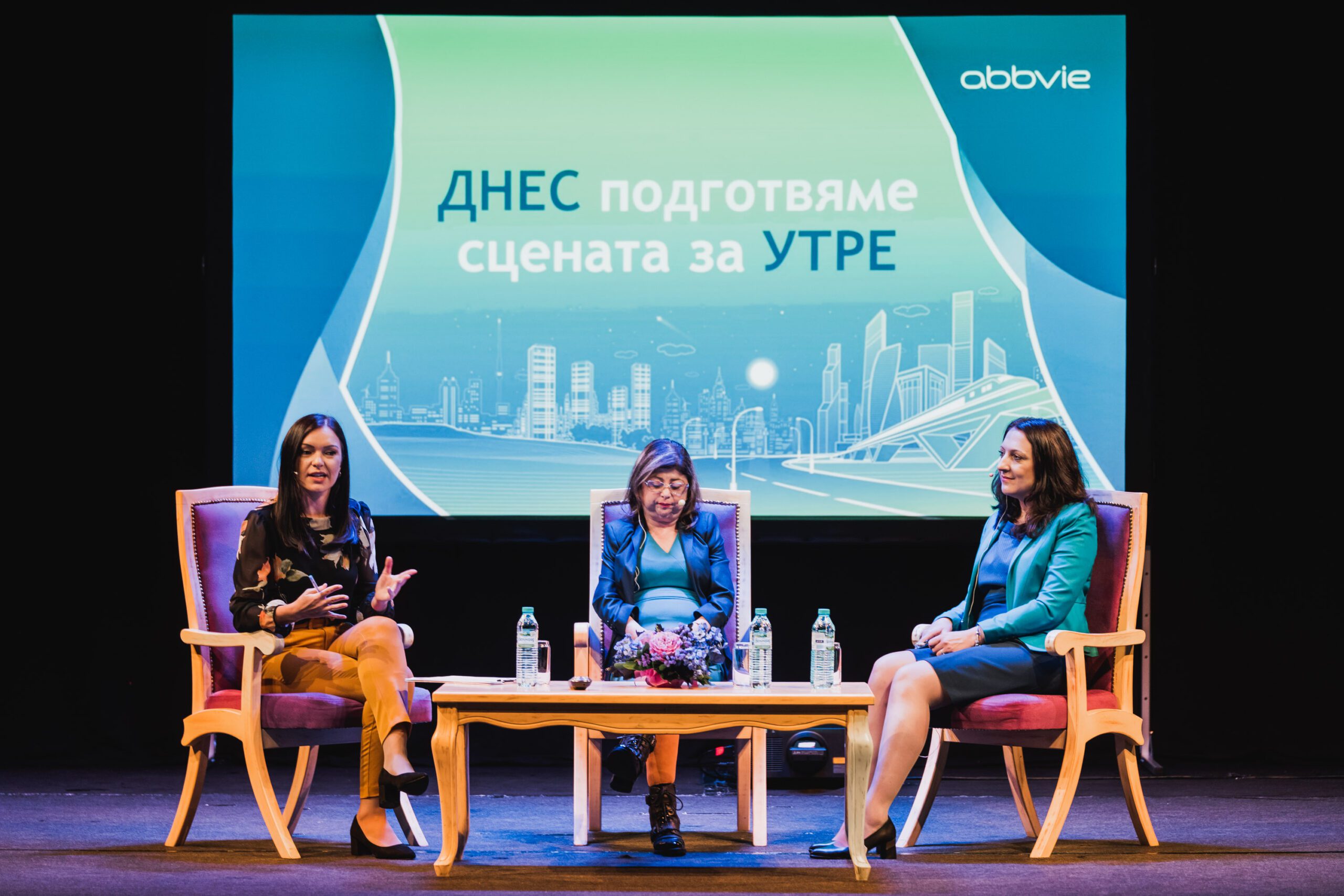
3. A panel should be a conversation, not a series of mini-presentations
A good panel discussion has a clear question and different points of view.
The moderator should guide the conversation, ask follow-up questions and explore differences between the speakers’ positions. If every participant simply spends ten minutes introducing their company, the panel loses its main advantage.
A genuine exchange of ideas is often more interesting than complete agreement.
4. Involve the audience without forcing participation
Interactivity does not have to mean games.
You can use:
- short live polls;
- questions submitted through a mobile app;
- questions collected in advance;
- voting between different solutions;
- discussion of a real business case;
- more time for Q&A.
At corporate events, people are more engaged when they can influence the conversation rather than simply listen.
5. Offer choice, but keep the programme clear
At larger conferences, not every participant needs to follow the same programme throughout the day.
You can combine general sessions with parallel tracks such as:
- strategic topics;
- practical workshops;
- product demonstrations;
- industry-specific discussions;
- small expert sessions;
- networking formats.
Do not overdo the choice. If too many important sessions happen at the same time, participants may feel they are constantly missing something valuable.
Conference planning: networking is more than a coffee break
If building professional connections is one of the objectives, networking should be planned.
A standard coffee break often results in people talking mainly to colleagues they already know.
Better options can include:
- themed tables;
- pre-arranged meetings;
- small discussion groups;
- networking areas organised by interest;
- meetings between companies and potential partners.
Good conference organisation creates the right conditions for conversations to begin naturally.
6. Use technology as a tool, not as the content
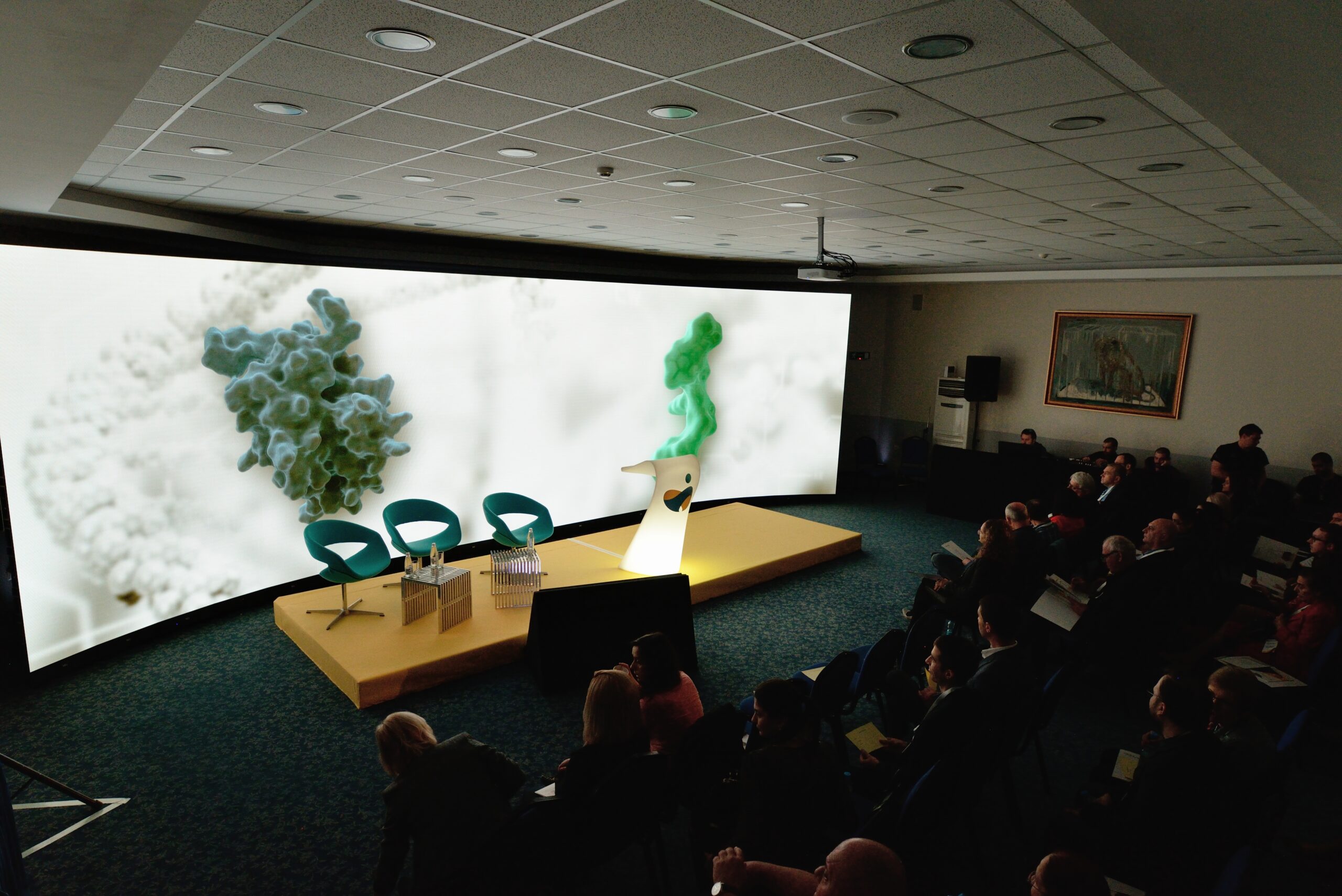
LED screens, stage lighting, professional sound and interactive systems can improve a conference. They cannot, however, compensate for a weak programme.
Technology should help participants see, hear and understand the content, while making transitions between different parts of the programme smooth.
When the technical production is well organised, participants barely notice it.
Conference organisers: why programme rhythm matters
Experienced conference organisers do not see the programme simply as a list of topics. They consider the entire day and the different levels of concentration participants will have throughout it.
You need to consider:
- when a more demanding topic is appropriate;
- when participants need a break;
- when the format should change;
- how much time is needed to move between rooms;
- how a delay in one session will affect the rest of the programme.
A professional event management company coordinates content, speakers, timing, technical production, space and logistics as one connected system.
7. Plan breaks as part of the programme
Breaks are not wasted time.
They are often when participants discuss what they have just heard, ask speakers additional questions and make new professional contacts.
Sometimes a well-planned 20-25 minute break creates more value than adding another average presentation to the programme.
8. Work with speakers in advance
It is better to have fewer strong sessions than a large number of speakers delivering similar presentations.
Agree in advance on:
- the main takeaway;
- the target audience;
- real examples;
- session length;
- possible overlaps with other topics;
- time for questions.
In professional conference organisation, preparing speakers is an important part of programme development.
Organising a corporate event: the format should follow the objective
There is no universal programme for organising a corporate event.
An internal company meeting, a client forum and a partner conference have different objectives.
An internal event may require more direct conversation with company leadership. A client event may benefit from practical case studies and demonstrations. A partner conference may need more time for networking.
Do not mechanically copy a format simply because it worked for another event.
Organising a special event does not mean adding more effects
When organising a special event, there is often a temptation to add performances, visual effects or unusual technology.
These elements have a place only when they serve a clear purpose.
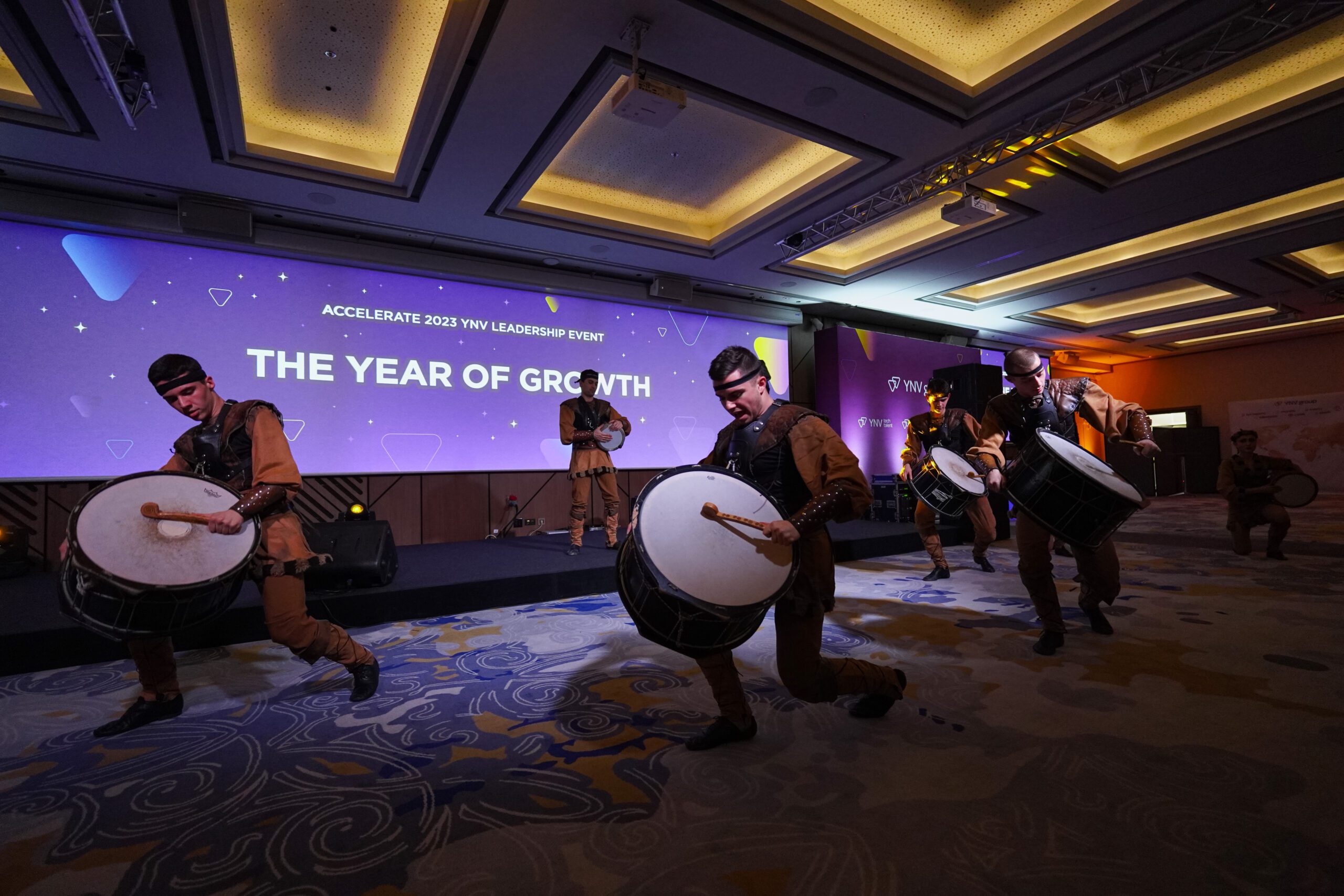
A strong opening performance can establish the right tone. An interactive visualisation can make complex information easier to understand. An evening format can make networking more natural.
But an effect should never be included simply for the sake of having an effect.
9. Leave room for conversations
Not every minute needs to be programmed.
Create spaces and time where participants can talk outside the formal agenda.
Very often, this is where the most valuable business connections are made.
10. Finish with a clear takeaway
Do not end the conference with nothing more than “Thank you for coming.”
A strong closing can include:
- a summary of the key ideas;
- a few practical next steps;
- a short audience poll;
- an invitation to continue the discussion.
This helps participants leave with a clear understanding of what they gained from the day.
How do you know whether the programme actually worked?
Do not ask only:
“Did you enjoy the event?”
More useful questions include:
- Which session was the most valuable?
- What would you apply in your work?
- Did you make useful new contacts?
- Which topic would you like to explore in greater depth?
- Which parts of the programme would you change?
Pay attention to behaviour as well. Which rooms were full? Where did participants ask the most questions? Which formats generated the strongest engagement?
An engaging conference respects participants’ time
A successful conference is not the one with the most stage effects. It is the one after which a participant can say:
“I learned something I can use, and I met people with whom it makes sense to continue the conversation.”
Engagement comes from relevant content, good pacing, different perspectives and meaningful professional connections.
If you are planning a similar format, see how Insight Events approaches conference and seminar organisation – from the initial concept and programme to technical production and on-site coordination.
For complete planning and management of corporate events, you can also explore Insight Events.

